Traditional know-how
On the vine
13 grape varieties and complantation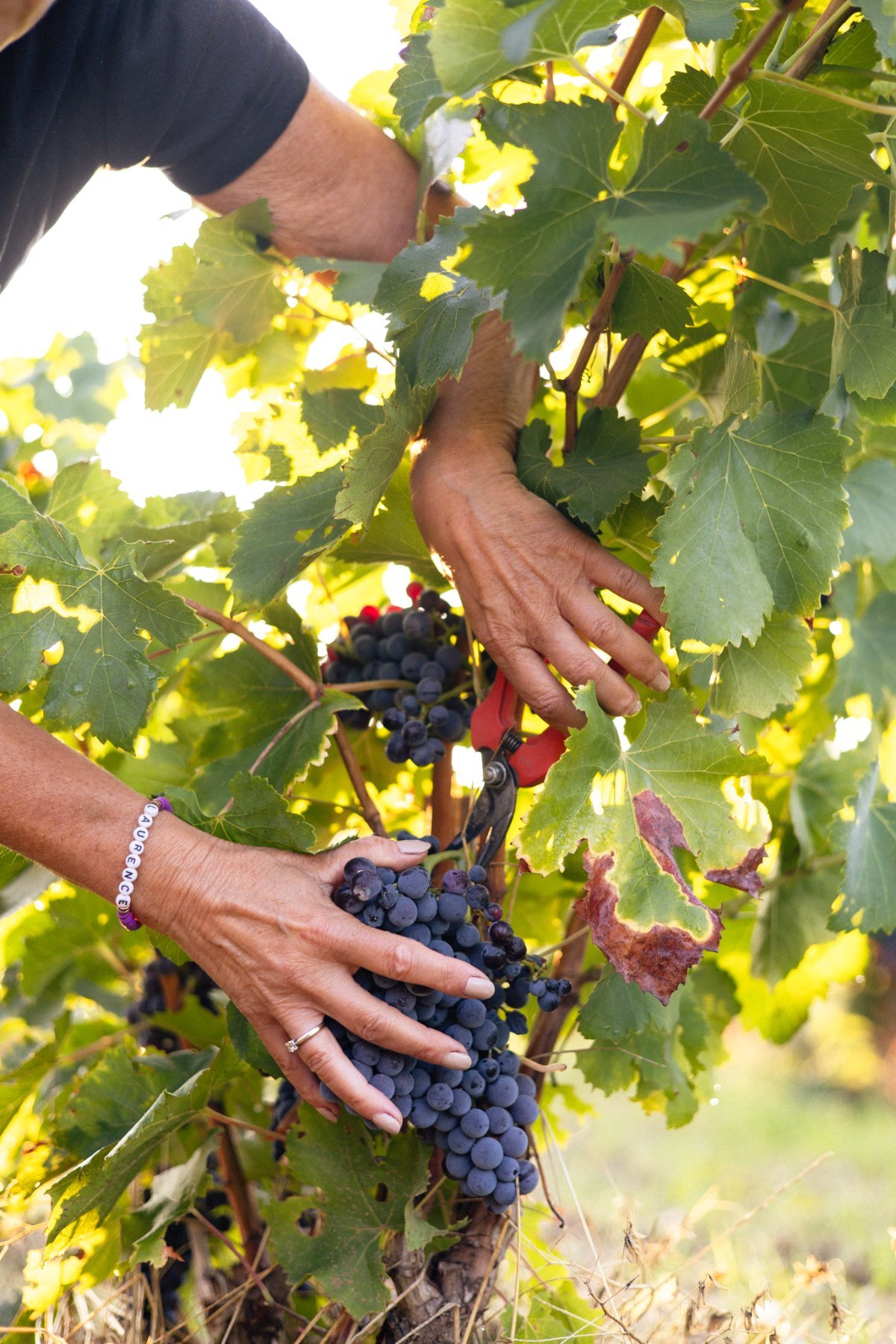
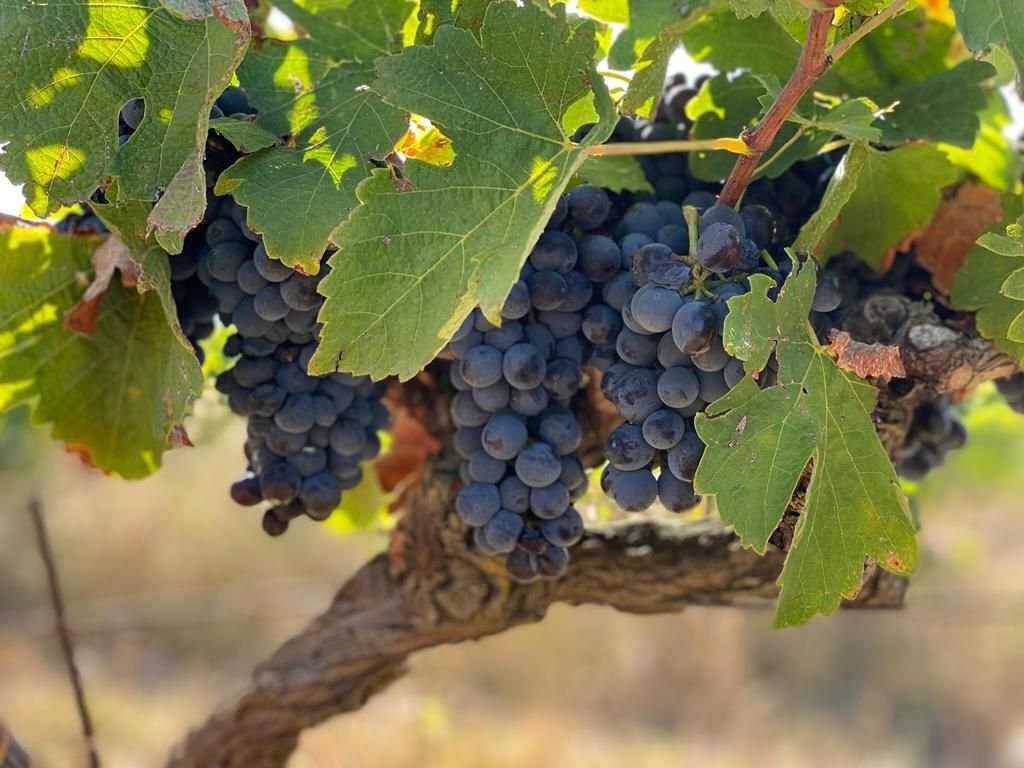
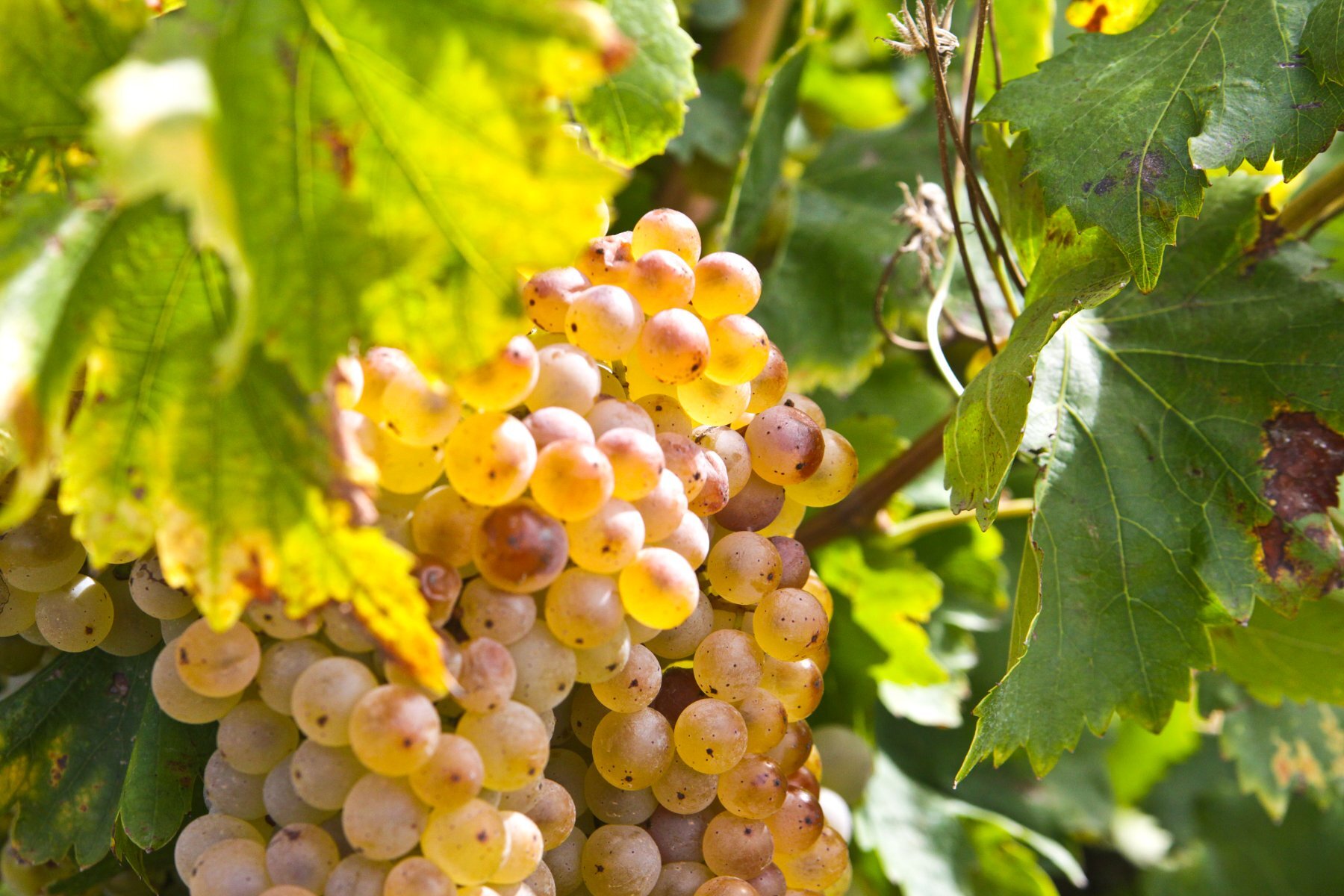
At Châteauneuf-du-Pape, tradition dictates that wines are born from the blending of thirteen grape varieties, each making its own contribution to the final harmony: color, structure, aromatic complexity, freshness or ageing potential.
These thirteen varieties can be used in the composition of both red and white wines: grenache (black, gray and white), syrah, mourvèdre, cinsault, clairette (white and pink), vaccarèse, bourboulenc, roussanne, counoise, muscardin, picpoul (white, grey and black), picardan and terret noir.
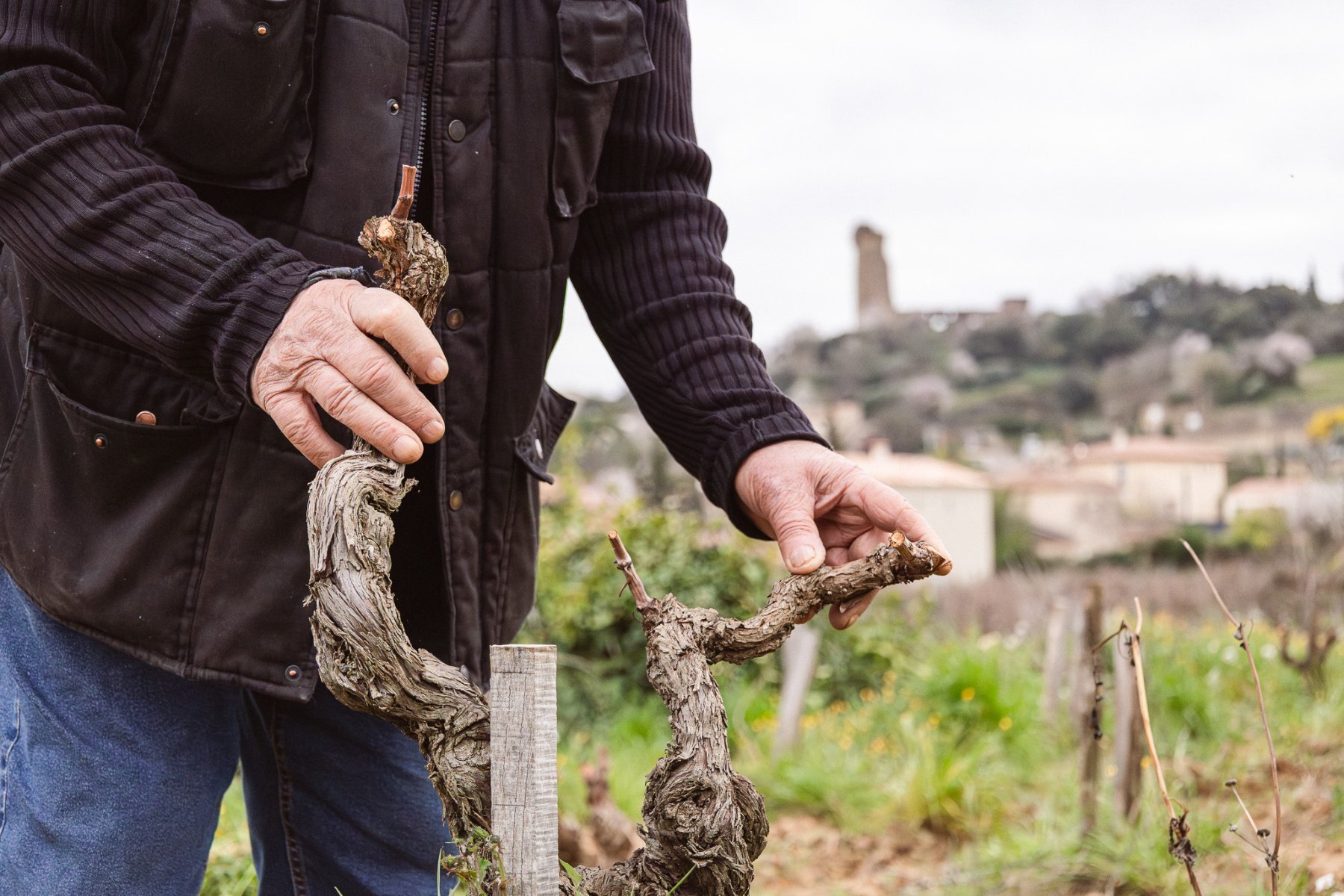
Faithful to the original spirit of the appellation, we continue the tradition of complantation on some of our historic plots, notably at La Crau and Les Bosquets. Here, the thirteen grape varieties are grown side by side, mingling their roots in the same soils.
This rare approach gives rise to the Symphony of the Thirteen Grape Varieties, found in the blends of our red Châteauneuf-du-Pape.
In the rest of the vineyard, grenache noir largely dominates, accounting for nearly 80 % of the vineyard. It is accompanied by syrah, mourvèdre and cinsault, whose complementary characters bring depth, structure and complexity to our wines.
In the cellar
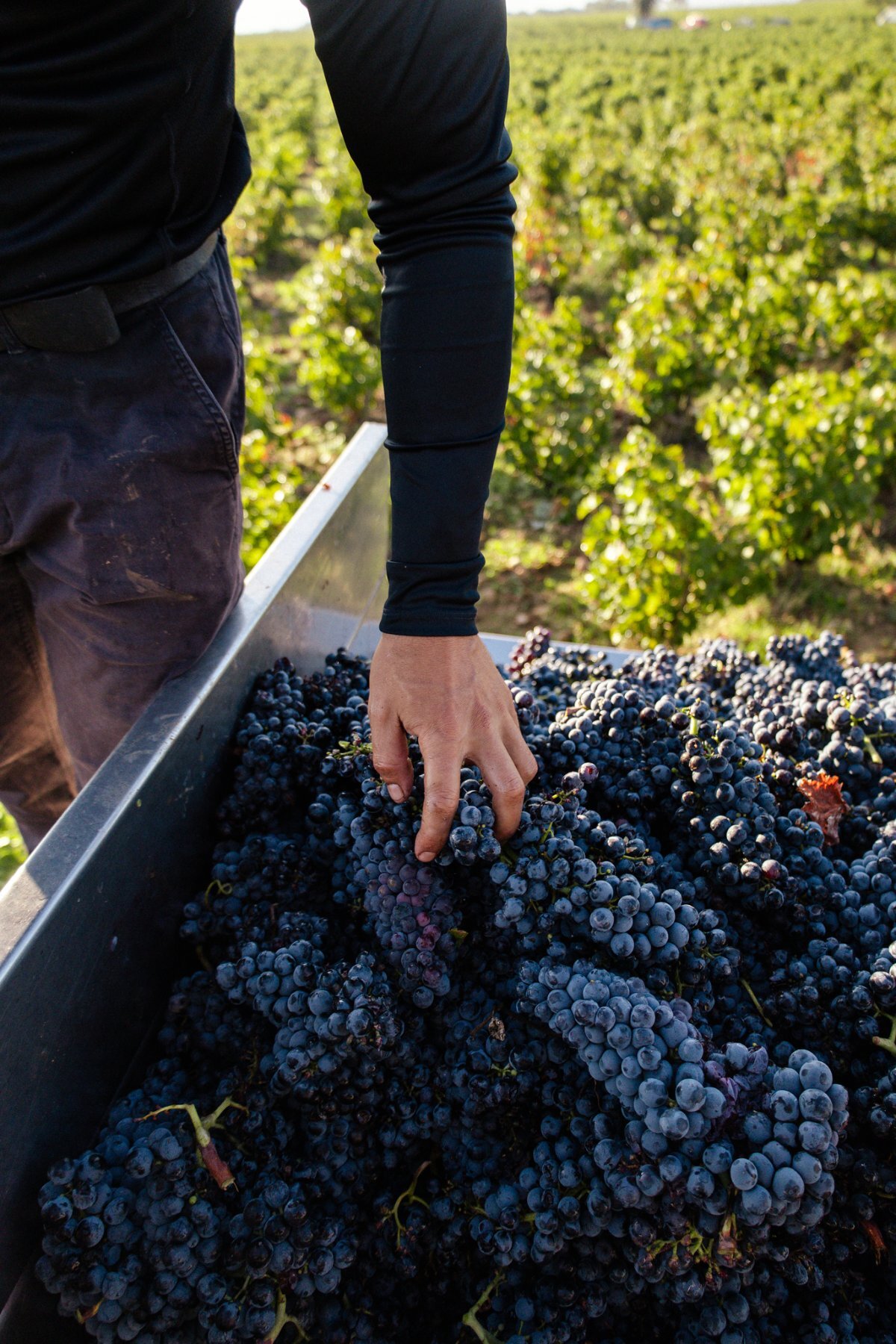
Whole bunch vinificationThe tradition naturally extends to the cellar. Here, all wines are vinified in whole bunches - red, white and rosé - whether from our Châteauneuf-du-Pape, Côtes du Rhône or Vin de France appellation vineyards.
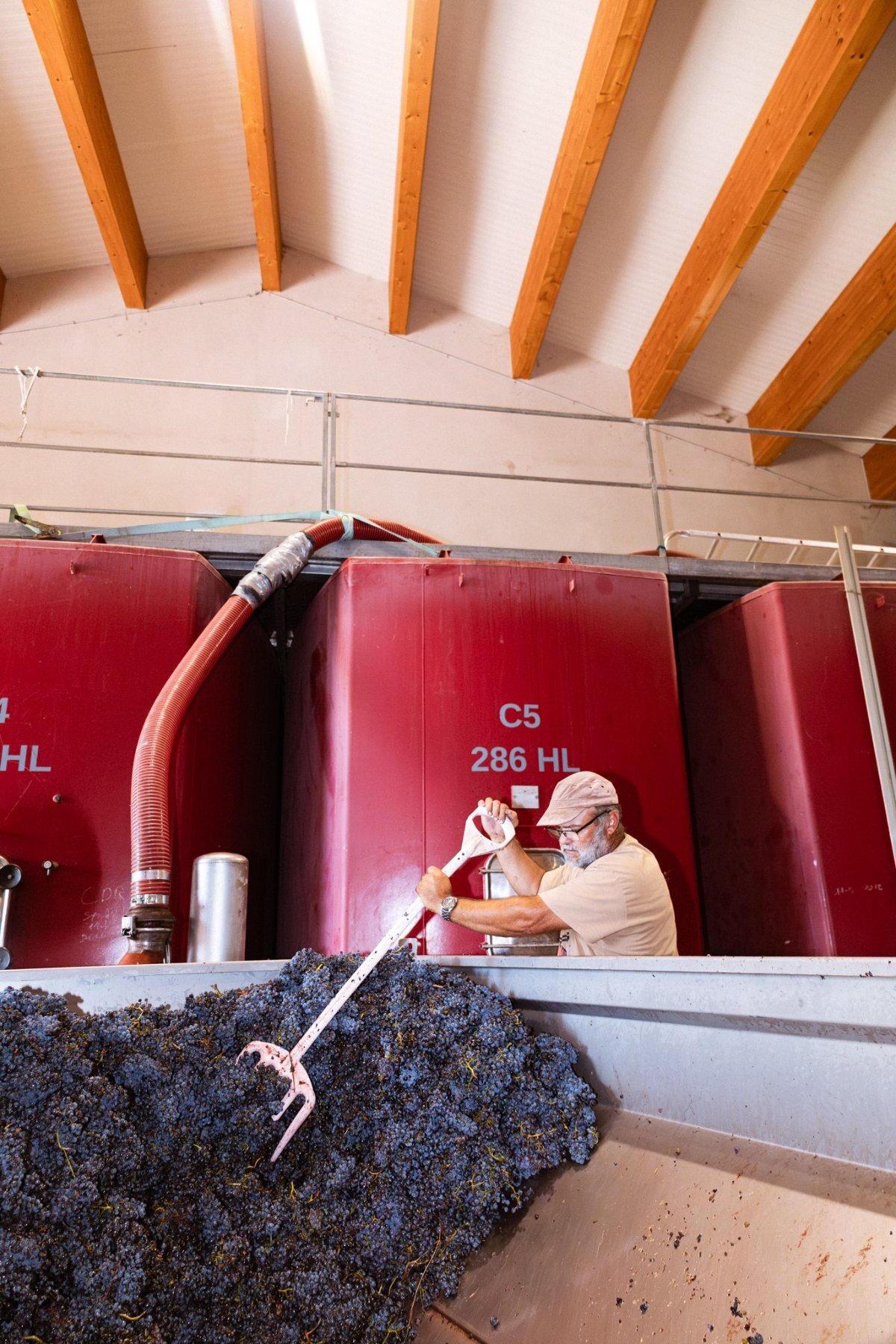
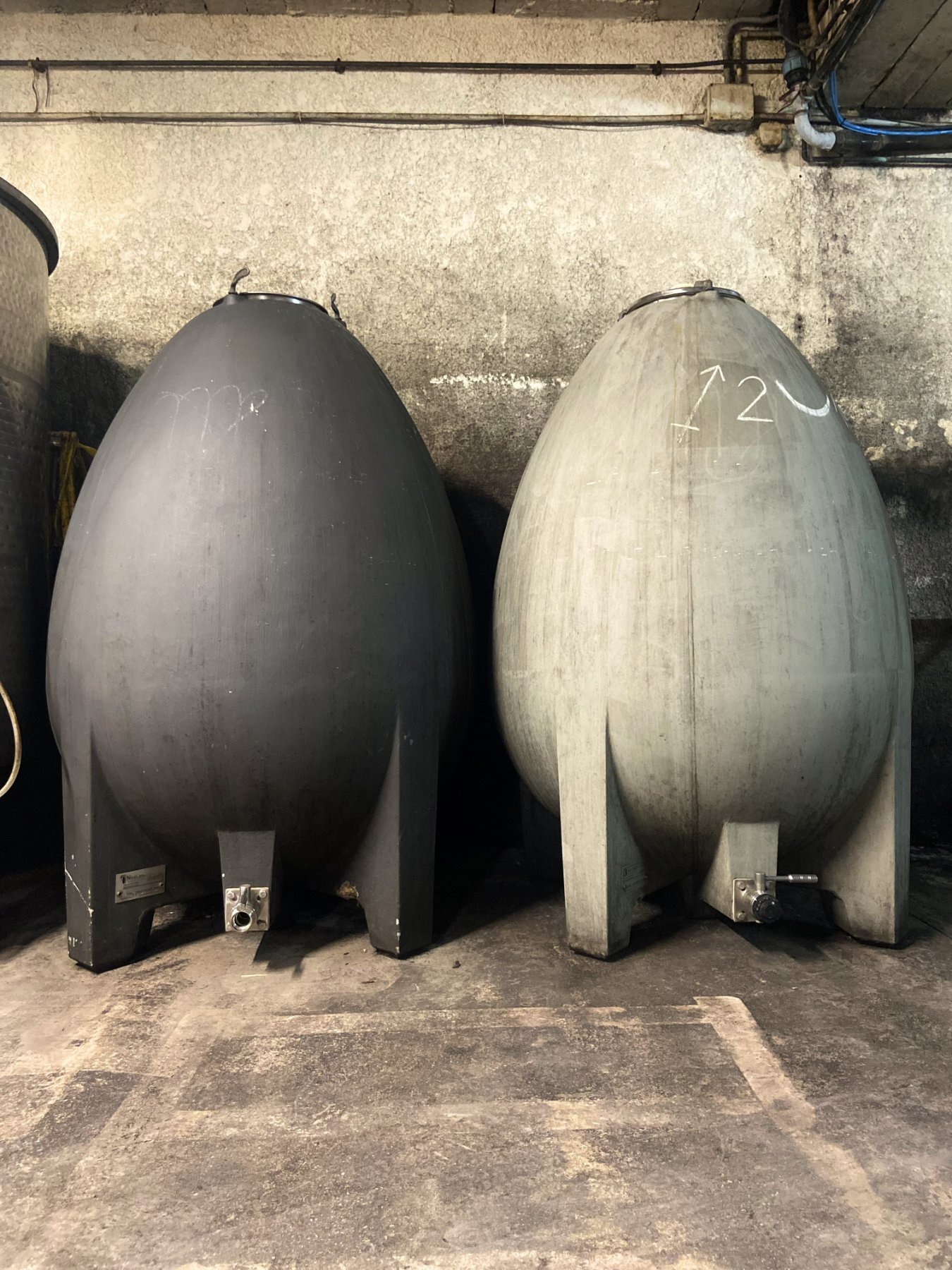
In the spirit handed down by her grandparents, Laurence continues this authentic approach, based on respect for the fruit and the natural rhythm of fermentation. The red wines are thus fermented in concrete tanks, where the grape varieties are co-fermented, allowing the different varieties to express themselves together from the very first moments of vinification and build the balance of the wine in all its complexity.
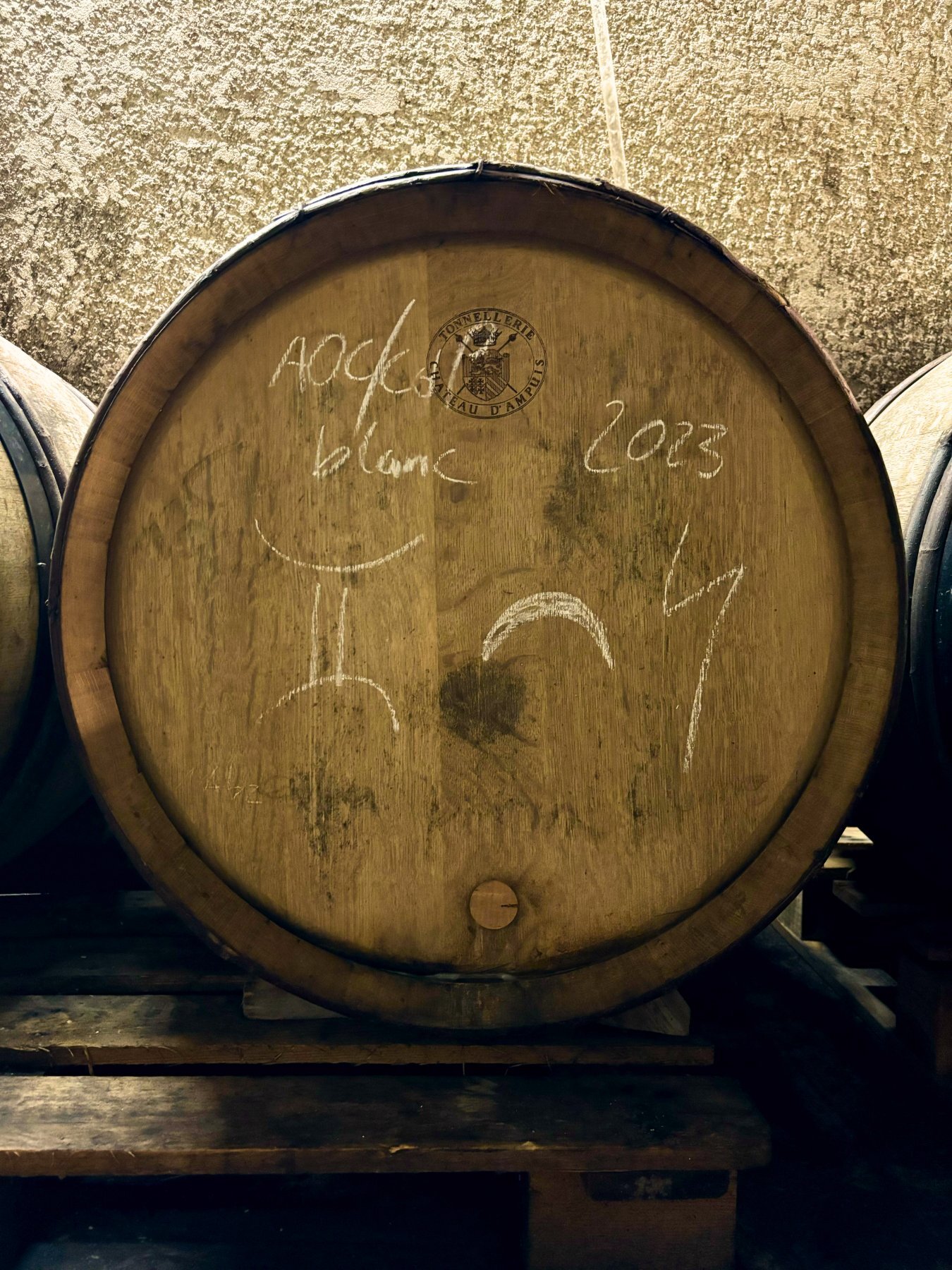
Châteauneuf-du-Pape reds then continue their evolution for at least two years in large old casks, ranging in age from twenty to over a hundred years.
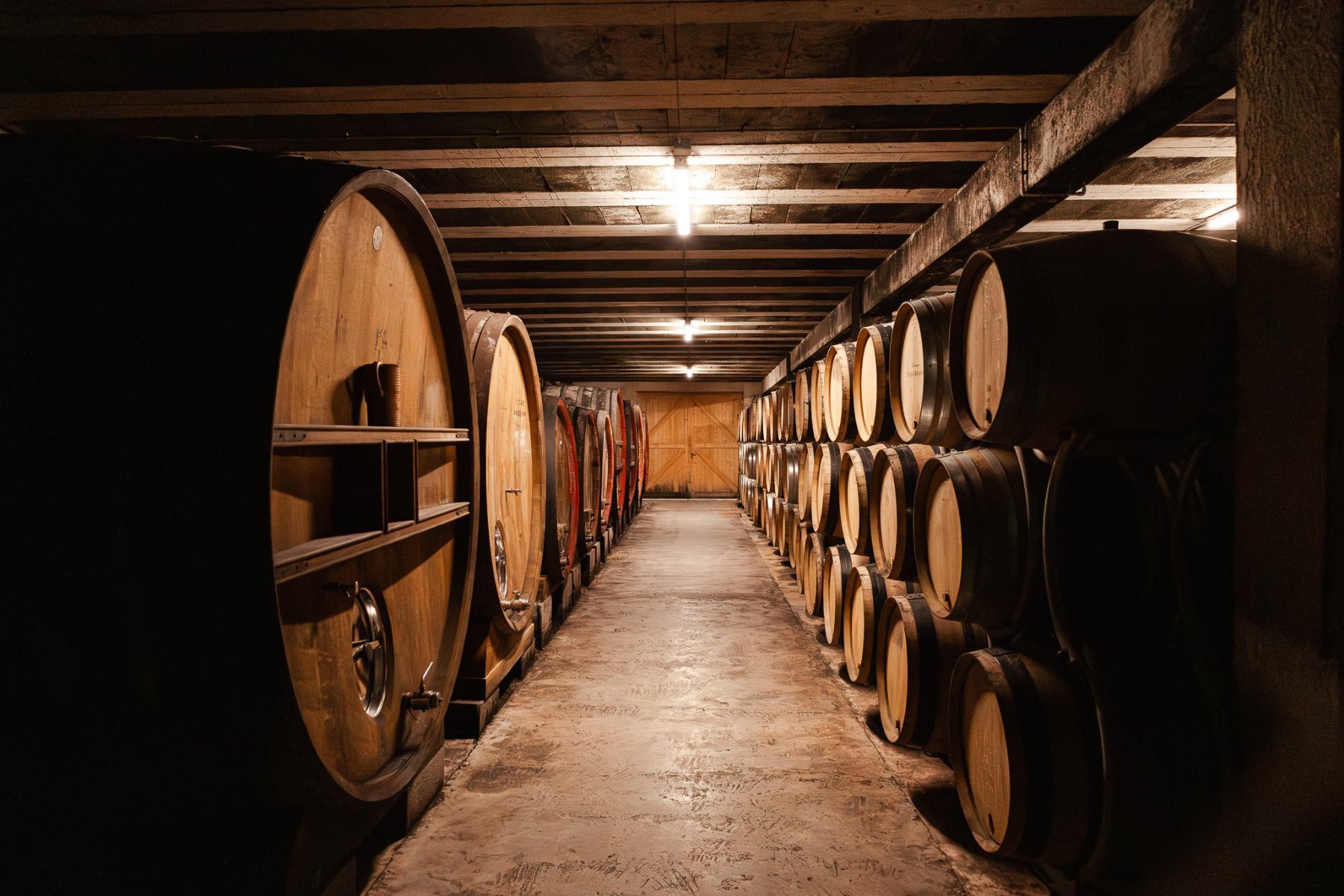
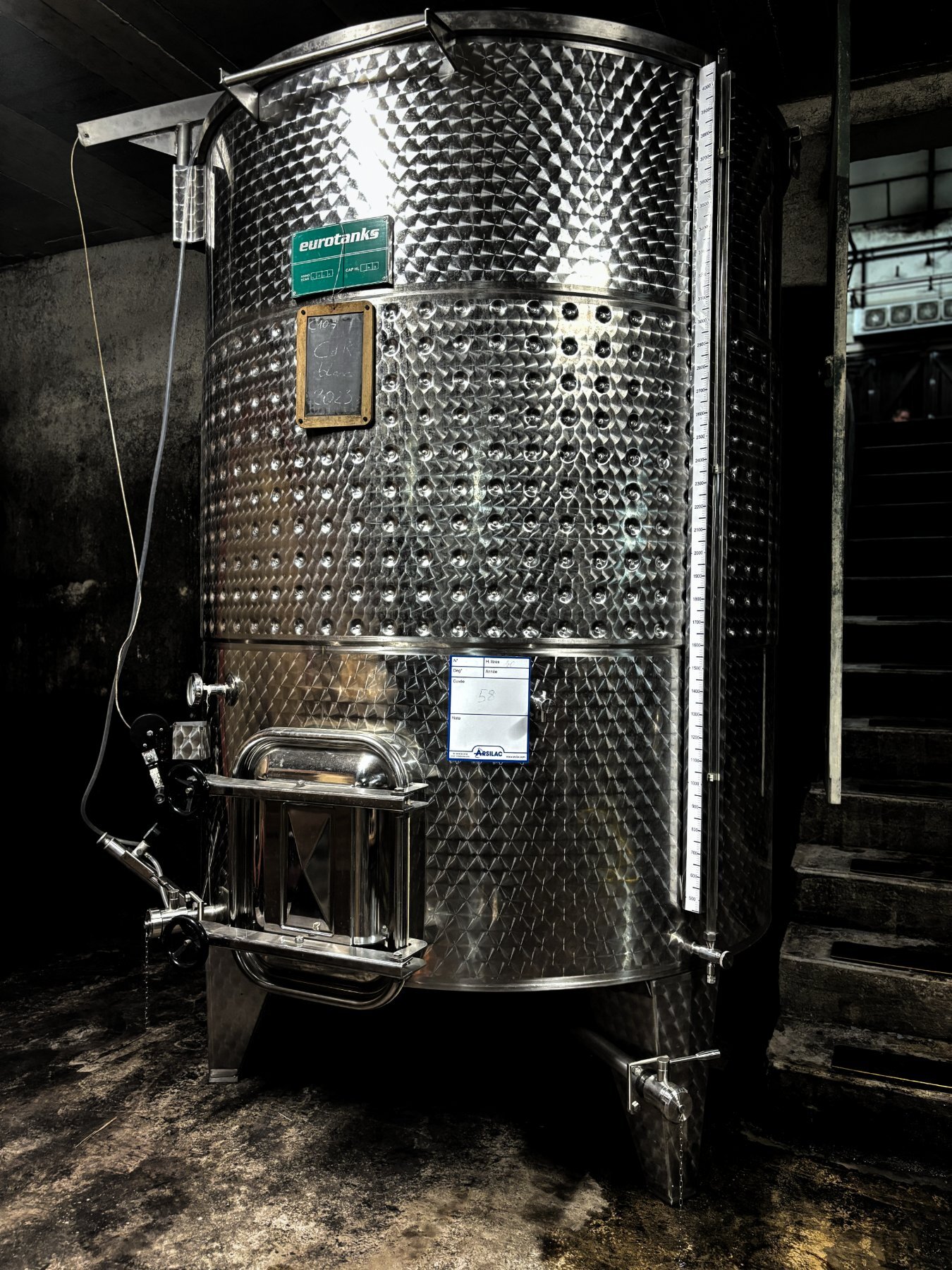
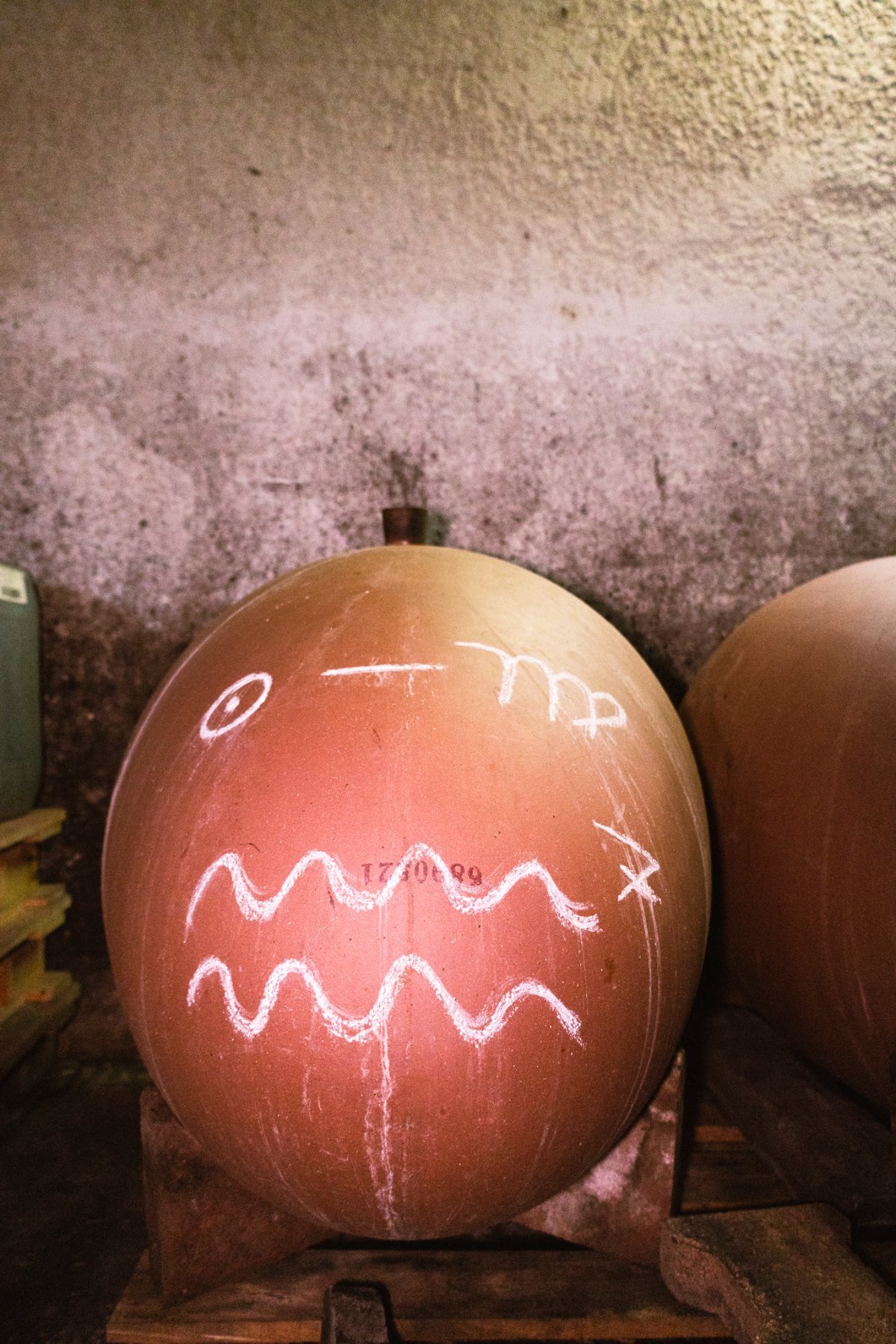
For the white wines and rosé, the whole bunches are pressed directly as they enter the cellar. Fermentation then takes place on the juices, before ageing in stainless steel vats or in concrete and sandstone eggs accompanied by barriques for the A Tempo cuvée.